April 13, 2026
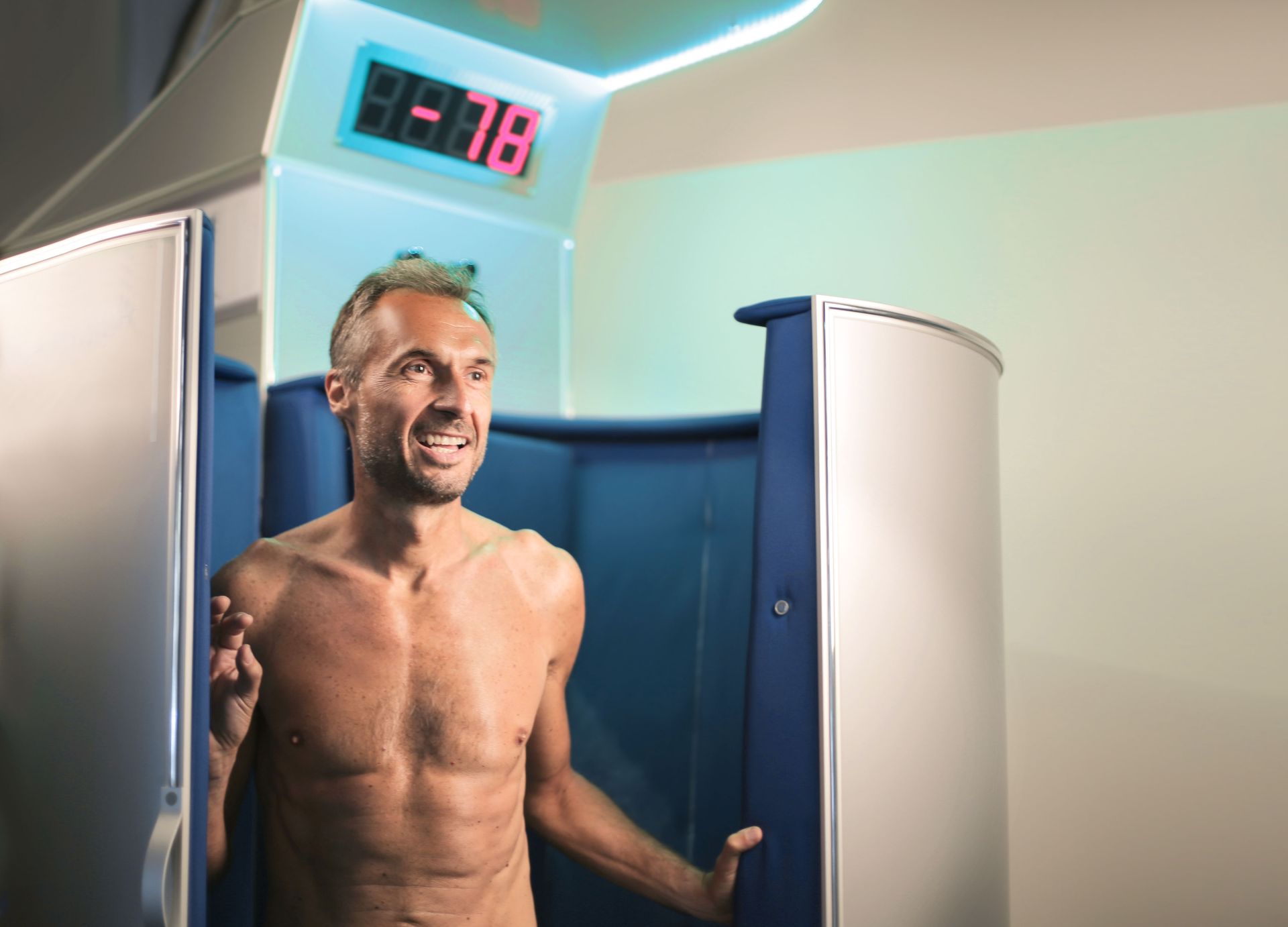
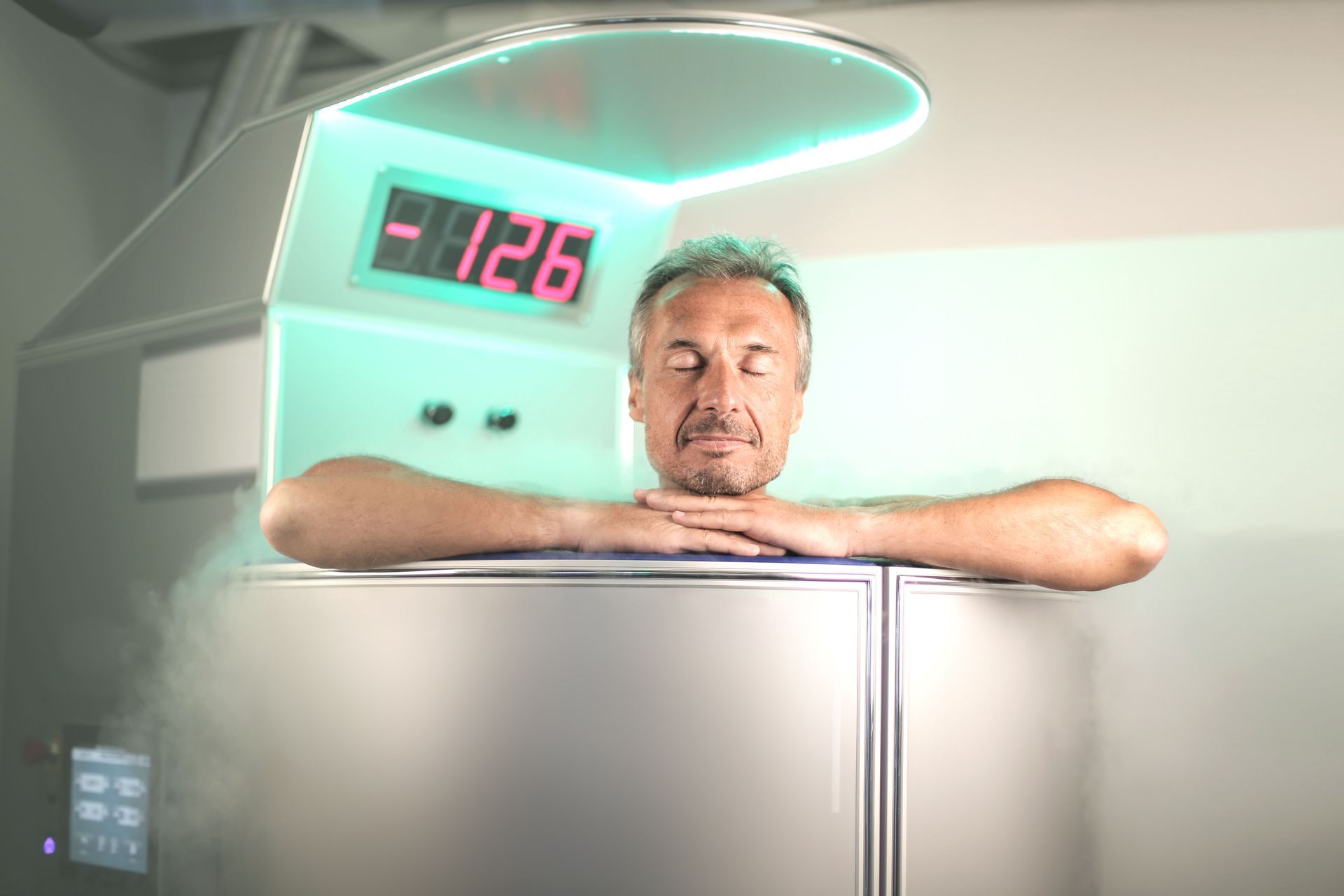
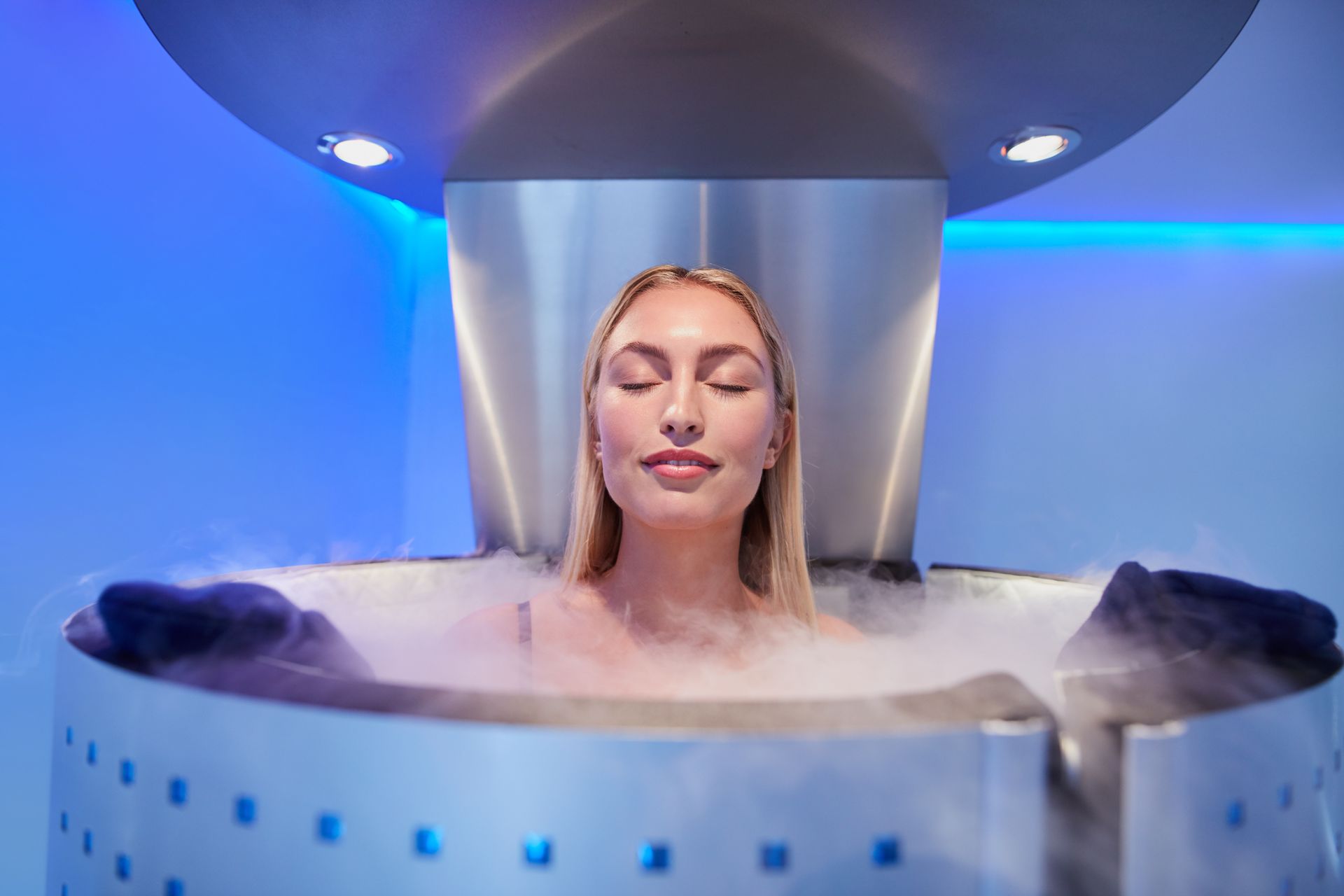
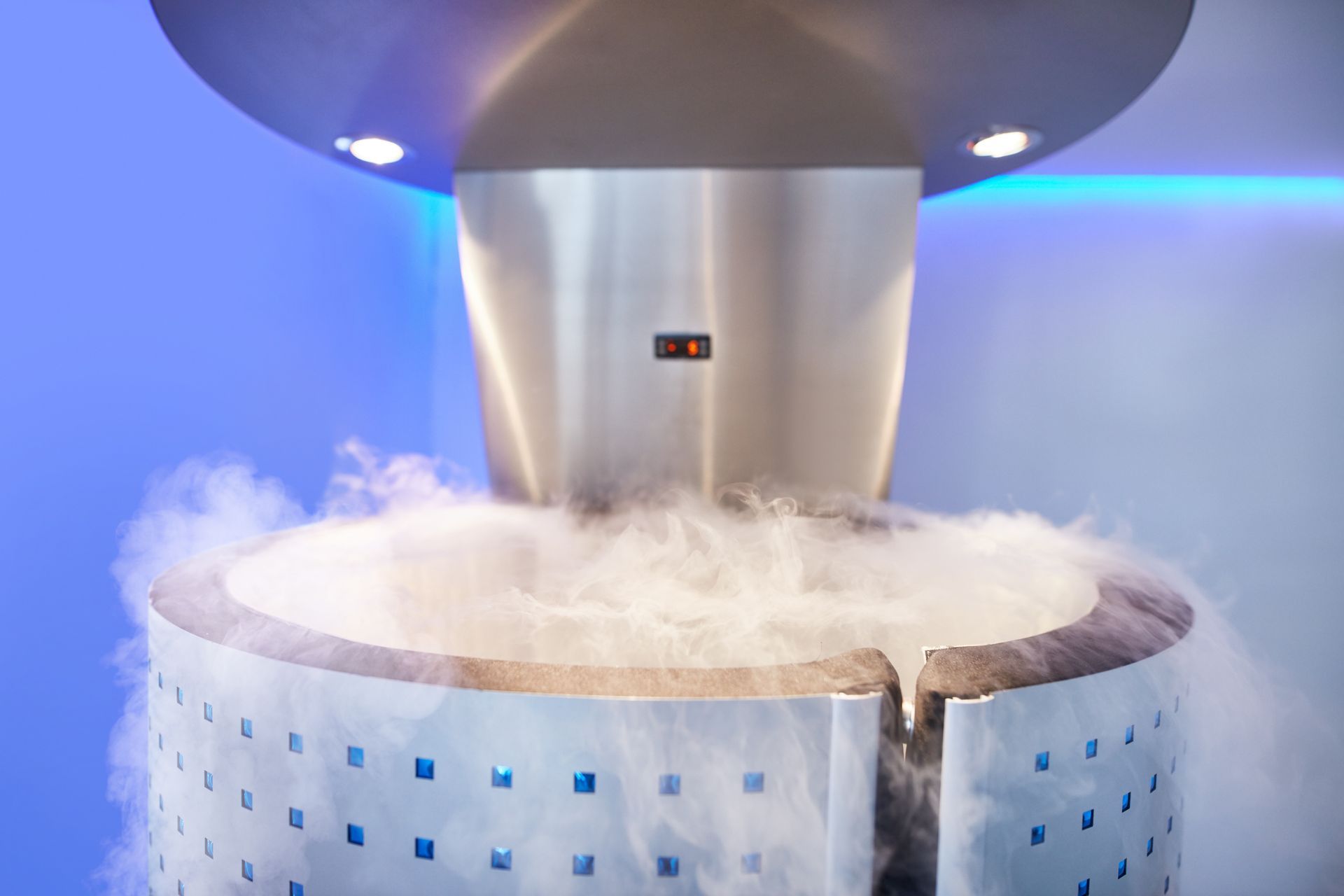
Cryotherapy has emerged as a cutting-edge recovery tool, offering both physiological and psychological benefits for athletes and fitness enthusiasts. By exposing the body to extremely cold temperatures, cryotherapy treatment reduces inflammation, accelerates muscle recovery, and enhances blood flow to optimize healing. Beyond physical gains, cold therapy stimulates endorphin release, improving mood and mental resilience—making it a holistic approach to wellness and performance. Understanding the science behind cryotherapy reveals why this practice is rapidly becoming a staple in modern training and recovery routines.
The Science Behind Cryotherapy
Examine how cold temperatures affect cellular activity, including reducing cellular metabolism and inflammation. The exposure to extremely low temperatures initiates a systemic response in the body's cells, which is fundamental in alleviating inflammation and facilitating recovery. Cells react to the cold by constricting blood vessels and reducing metabolic activity, which helps to limit the onset of swelling and pain post-exercise. Different studies have pointed out that this reduction in cellular metabolism enables quicker cellular recuperation and reduced incidence of injury. Consistent usage of cryotherapy treatment has been acknowledged not only for its immediate effects but also for promoting long-term cellular resilience and recovery efficiency.
Discuss how cryotherapy affects blood flow and oxygen delivery to muscles post-exercise. When the body is subjected to the cold during cryotherapy, vasoconstriction initially occurs, followed by vasodilation once the body rewarms itself. This process flushes out toxins and enhances nutrient delivery to the muscles, aiding faster healing. The alternation between constriction and dilation stimulates better circulation, which is essential for delivering oxygen-rich blood and nutrients crucial to muscle recovery. Such improvements in circulation not only expedite recovery times but also contribute to overall muscle health and performance, facilitating better workout outcomes in the long run.
Investigate the psychological benefits associated with cryotherapy, such as increased endorphin levels and mood elevation. Exposing the body to cold triggers the release of endorphins, which can enhance mood and promote an overall sense of well-being. The euphoric feeling experienced after a cryotherapy session is often likened to the “runner’s high” and is attributed to these endorphin spikes. Such mood enhancements can be vital for athletes, assisting in maintaining a positive outlook even through rigorous training schedules. Moreover, the psychological boost from cryotherapy translates to better mental focus and resilience, invaluable traits for long-term athletic and fitness success.
An in-depth look at how cryotherapy mitigates DOMS and improves recovery time. Delayed Onset Muscle Soreness often impedes an athlete's ability to perform at their best during successive training sessions. By reducing inflammation and moderating pain receptors in the body, cryotherapy effectively diminishes the severity and duration of DOMS. Athletes participating in cryotherapy treatment can expect a quicker return to peak performance levels, removing barriers presented by soreness and stiffness. This effect on DOMS underscores the practicality of cryotherapy as a recovery method integrated into a routine that demands consistent physical output.
Benefits of Cryotherapy in Athletic Performance
Discuss how athletes can benefit from reduced downtime between training sessions. Cryotherapy aims to shorten the recovery period and allow athletes to engage fully in their training regimens without the lengthy pauses typically associated with recovery. Accelerated recovery times can lead to increased training frequency, which contributes to incremental performance gains. By utilizing cryotherapy, athletes potentially enhance their ability to build strength, endurance, and skill through more intensive and frequent practice sessions. This enhancement is particularly beneficial in competitive sports, where the time between training and competing is often limited. Explore how regular cryotherapy use contributes to overall muscle health. Cryotherapy not only addresses immediate post-exercise needs but also promotes improved long-term muscle resilience. By consistently engaging with cryotherapy, users potentially experience enhanced muscle strength and reduced injury risk. The persistent attenuation of inflammation seen with regular cryotherapy means users can maintain higher levels of physical activity over longer periods. For athletes and fitness enthusiasts, this culminates in not only heightened performance but also a decreased likelihood of strains, tears, and chronic conditions.
Identify ways in which cryotherapy can reduce the likelihood of injuries. The preventative potential of cryotherapy against injury is founded on its ability to continually rejuvenate muscle tissues and reduce inflammation. By preemptively managing inflammation through regular sessions, athletes can forestall a wide range of musculoskeletal conditions. Moreover, athletes recovering from injury can benefit from cryotherapy's healing properties, hastening rehabilitation timelines. In active sports and fitness contexts, this could mean the difference between a prolonged absence and a swift return to the game or activity at hand.
Explore claims and evidence regarding the influence of cryotherapy on metabolism. A lesser-known benefit of cryotherapy is its purported ability to enhance metabolic rates through cold-induced thermogenesis. As a response to the cold exposure, the body temporarily increases its energy expenditure to raise core temperature, which may aid in fat burning. Although more research is warranted, many users report noticeable impacts on their fitness efforts, attributing enhanced fat loss to their cryotherapy treatment sessions. This potential for boosting metabolism adds an extra layer of functionality to cryotherapy as an integral part of a holistic fitness program.
Implementing Cryotherapy in a Workout Routine
Guide on the optimal timing for cryotherapy around workout sessions. Like any recovery method, the timing of cryotherapy plays a critical role in maximizing its benefits. Optimal results often derive from sessions conducted shortly after intense training while the body begins the recovery phase. Some athletes find benefits from scheduled sessions interspersed regularly throughout the week, maintaining muscular and psychological well-being. Did you know? According to Persistence Market Research (2025), North America holds 39.2% global share, fueled by wellness trends and non-invasive therapy demand for athletes and chronic pain sufferers.
Suggest ways to integrate cryotherapy with other popular recovery practices. For optimal recovery outcomes, cryotherapy is most effective when used in conjunction with other proven recovery methodologies, such as stretching, massage therapy, and proper nutrition. Athletes are encouraged to combine modalities to target varied aspects of recovery, honing both physiological and psychological benefits. Strategically implemented, cryotherapy can enhance the effects of other treatments, creating a comprehensive recovery habitat.
Define how often and for how long one should engage in cryotherapy treatment for maximum benefit. The general consensus among experts is that cryotherapy is most effective when applied consistently, with many users engaging in sessions two or three times a week. Most sessions last about two to three minutes, especially given the extremely low temperatures involved in the process. Such regular sessions allow the body's systems to adjust, creating long-term improvements in efficiency and performance recovery. Leveraging these short bursts of treatment in regular intervals reflects cryotherapy's benefits on both short-term and sustained athletic performance.
Look at tailored cryotherapy approaches for athletes in various disciplines. The diverse landscape of sports and fitness regimes necessitates that cryotherapy protocols be tailored to specific athletic requirements. Different sports demand varied focus areas; for instance, endurance sports benefit from enhanced muscular oxygen delivery, while high-intensity activities focus on rapid inflammation reduction. Customizing cryotherapy sessions helps users target unique physiological stressors associated with their respective sports. By crafting personalized regulations, cryotherapy treatment can deliver specific enhancements needed to support and augment individual athletic performance.
Incorporating cryotherapy into your fitness or athletic regimen can shorten recovery times, boost performance, and reduce the risk of injuries. Don’t let soreness or inflammation limit your potential—schedule a professional cryotherapy treatment session with OC Wellness Center & Ice Lab today and experience the benefits of faster recovery, enhanced endurance, and peak performance.